
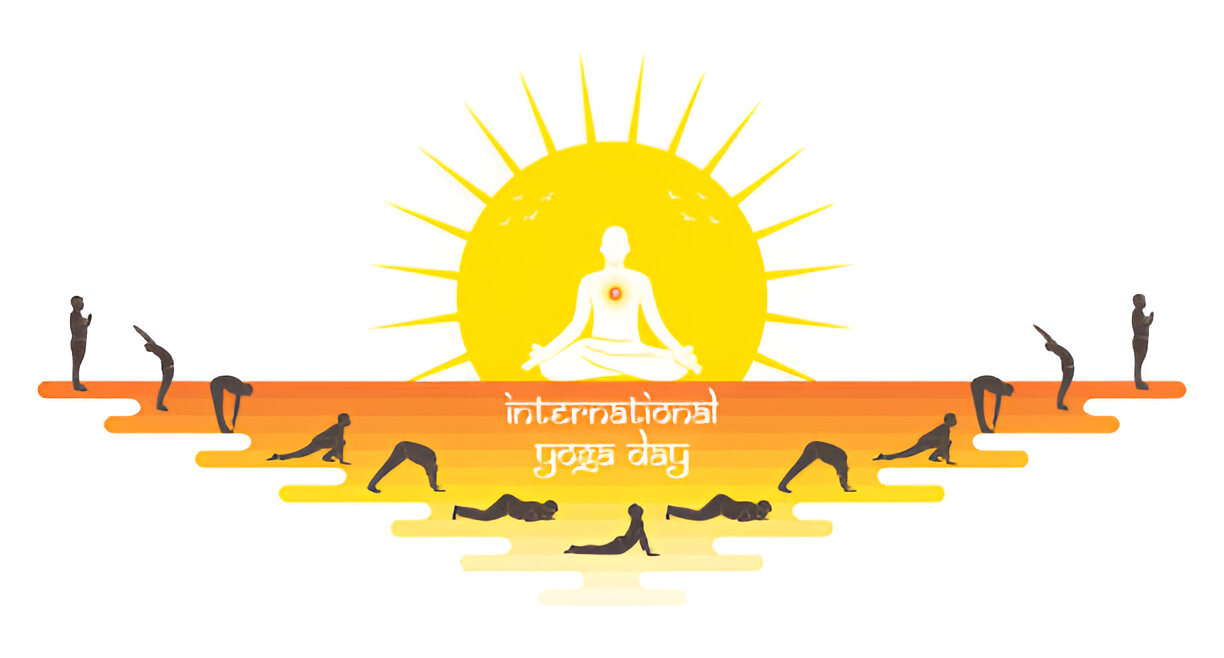
Surya Namaskar, or Sun Salutation, is an ancient practice that remains one of the most popular and versatile sequences in yoga. This dynamic series of 12 asanas (postures) is designed to energize the body, calm the mind, and connect the practitioner with the rhythm of nature by paying homage to the sun—the ultimate source of energy. In this comprehensive article, we will explore each of the 12 poses in Surya Namaskar, their step-by-step execution, and the holistic benefits they offer.
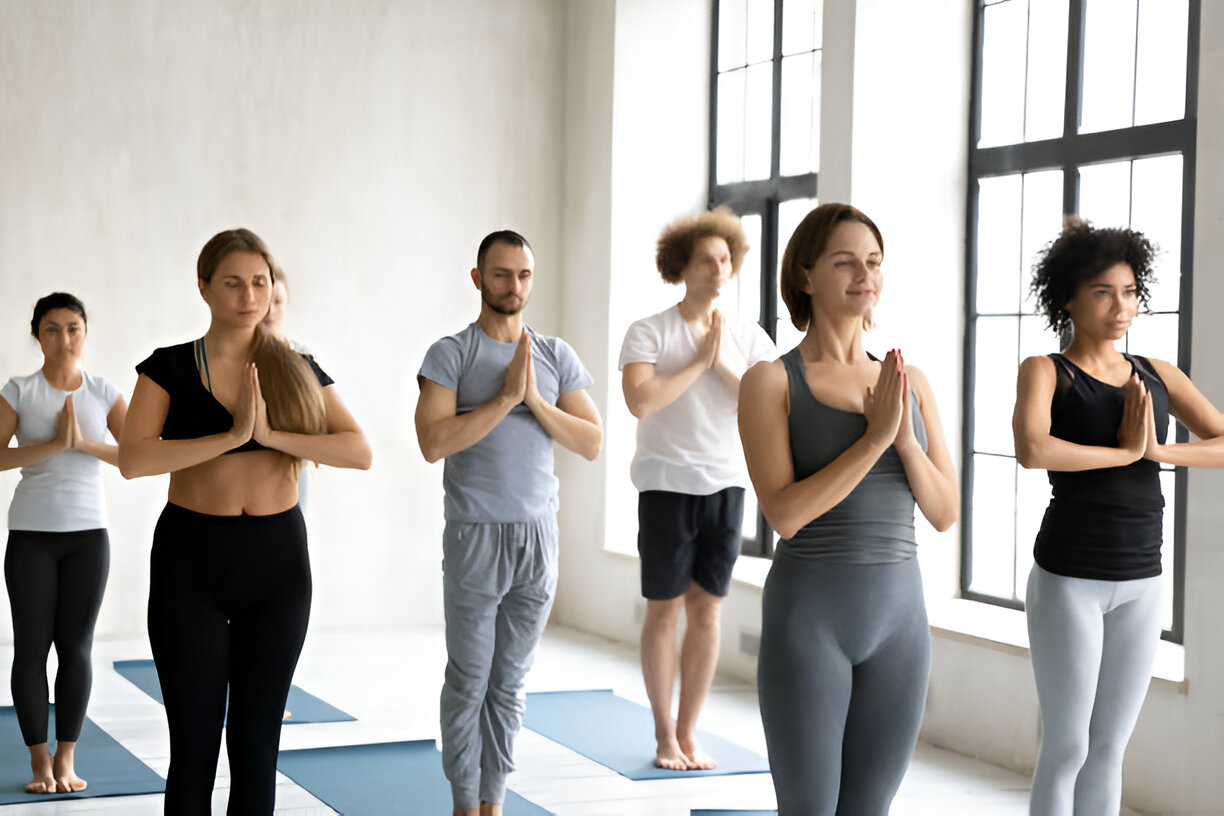
1. Pranamasana (Prayer Pose)
The sequence begins with Pranamasana, where the practitioner stands tall with feet together, palms joined in a prayer position at the chest.
How to Perform:
- Stand at the top of your mat with your feet together.
- Join your hands in front of your chest in a prayer gesture.
- Focus on your breathing and relax.
Benefits:
- Helps center the mind and prepare the body for the sequence.
- Promotes mental clarity and focus.
- Encourages the practitioner to cultivate gratitude and inner peace.
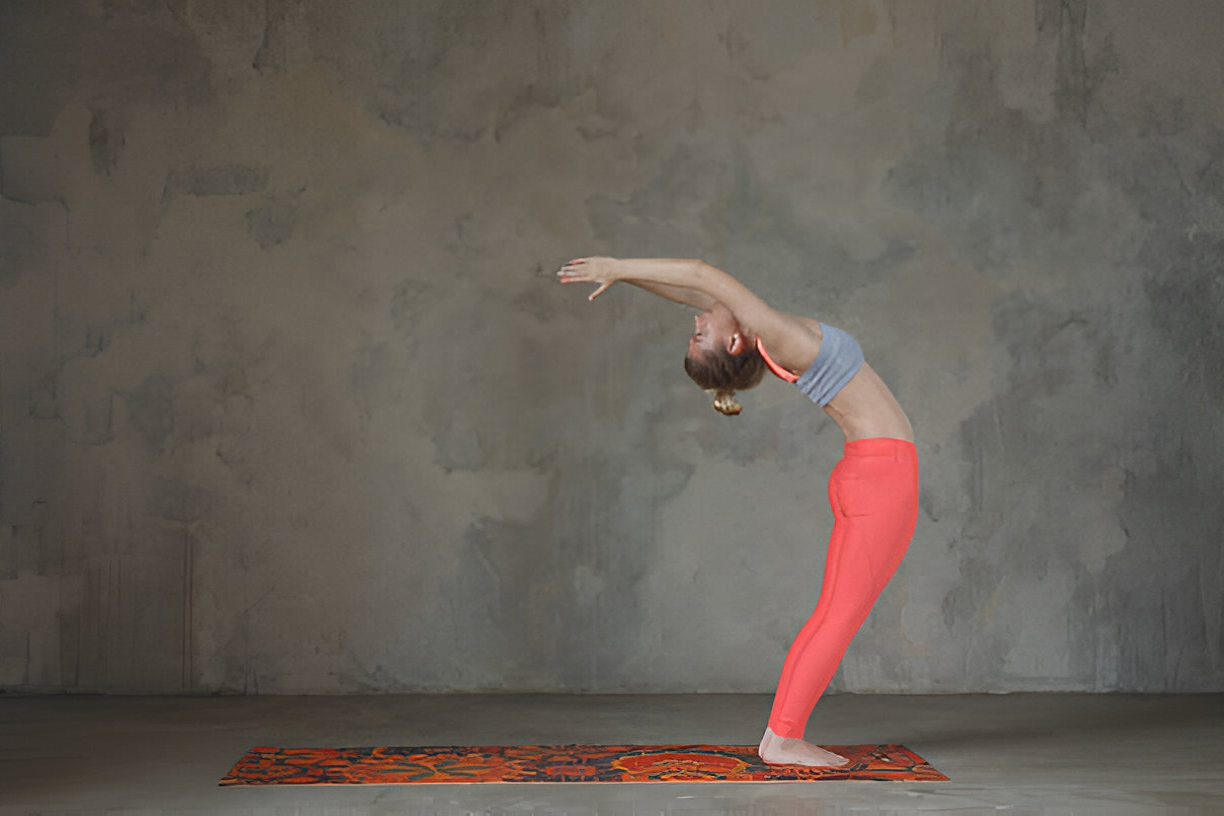
2. Hasta Uttanasana (Raised Arms Pose)
In Hasta Uttanasana, the practitioner raises their arms above their head while arching the back slightly.
How to Perform:
- Inhale deeply as you stretch your arms upward.
- Gently arch your back and look toward the sky, opening your chest.
Benefits:
- Stretches and tones the abdominal muscles.
- Improves digestion and metabolism.
- Enhances lung capacity and strengthens the respiratory system.
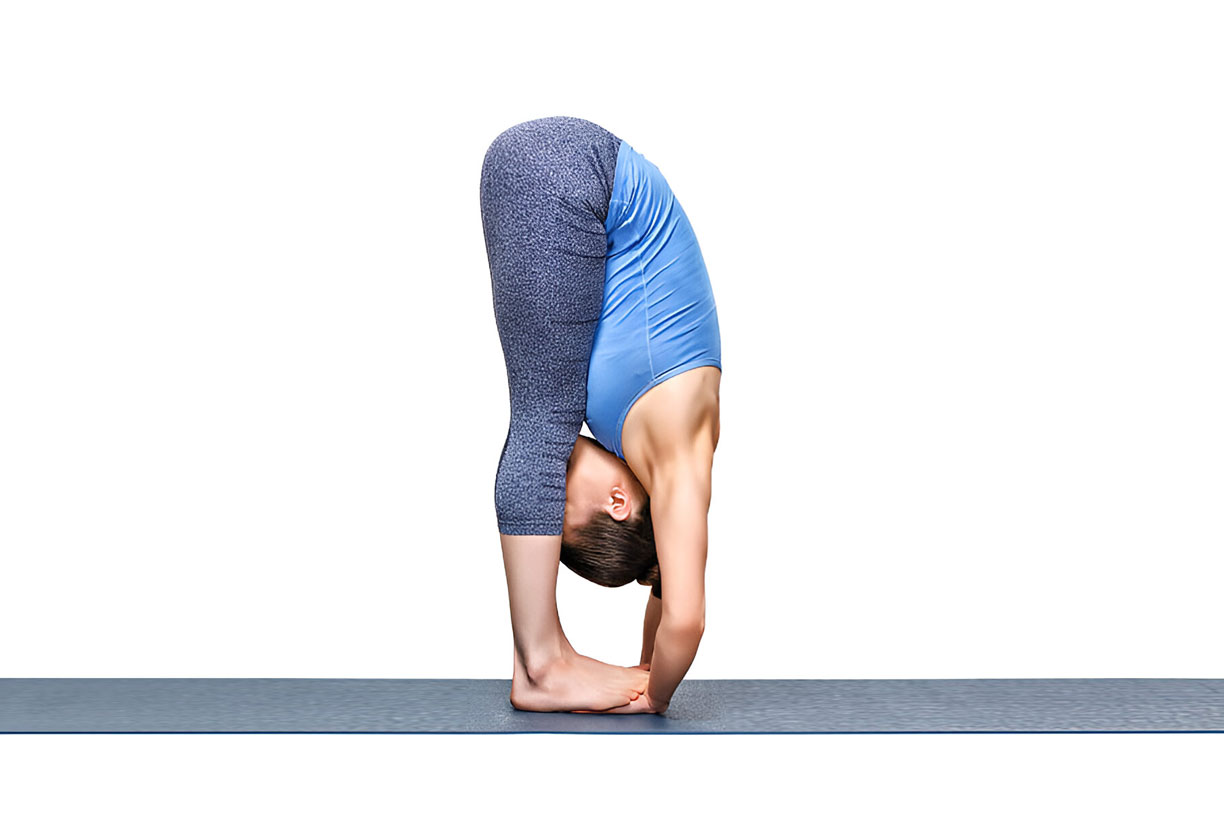
3. Padahastasana (Standing Forward Bend Pose)
In Padahastasana, the practitioner folds forward from the hips, bringing the hands down toward the feet.
How to Perform:
- Exhale as you bend forward from the hips, keeping your spine straight.
- Try to touch the floor with your palms or fingers, or hold your ankles if you’re unable to reach the floor.
Benefits:
- Stretches the hamstrings, calves, and spine.
- Improves blood circulation to the brain, promoting mental clarity.
- Relieves tension and stress in the neck and shoulders.

4. Ashwa Sanchalanasana (Equestrian Pose)
Ashwa Sanchalanasana involves stepping one foot back into a deep lunge, opening the chest, and gazing forward.
How to Perform:
- Inhale and step your right leg back, lowering your knee to the ground.
- Keep your left foot between your hands, and open your chest as you look forward.
Benefits:
- Stretches the hips, groin, and quadriceps.
- Strengthens the legs and improves balance.
- Enhances focus and concentration.

5. Dandasana (Stick Pose)
Dandasana, or the plank pose, is a straight-line position that engages the core muscles.
How to Perform:
- Hold your breath and step your left leg back, coming into a plank position.
- Your body should form a straight line from head to heels, with your arms perpendicular to the floor.
Benefits:
- Strengthens the arms, shoulders, and core muscles.
- Improves posture and body alignment.
- Builds stamina and endurance.

6. Ashtanga Namaskara (Eight Limbed Pose)
In Ashtanga Namaskara, the practitioner lowers their body to the floor, touching the chin, chest, and knees while keeping the hips lifted.
How to Perform:
- Exhale and lower your knees, chest, and chin to the floor.
- Keep your hips slightly raised, with your toes curled under and elbows close to your body.
Benefits:
- Strengthens the chest, arms, and spine.
- Prepares the body for deeper backbends.
- Promotes flexibility in the neck and shoulders.
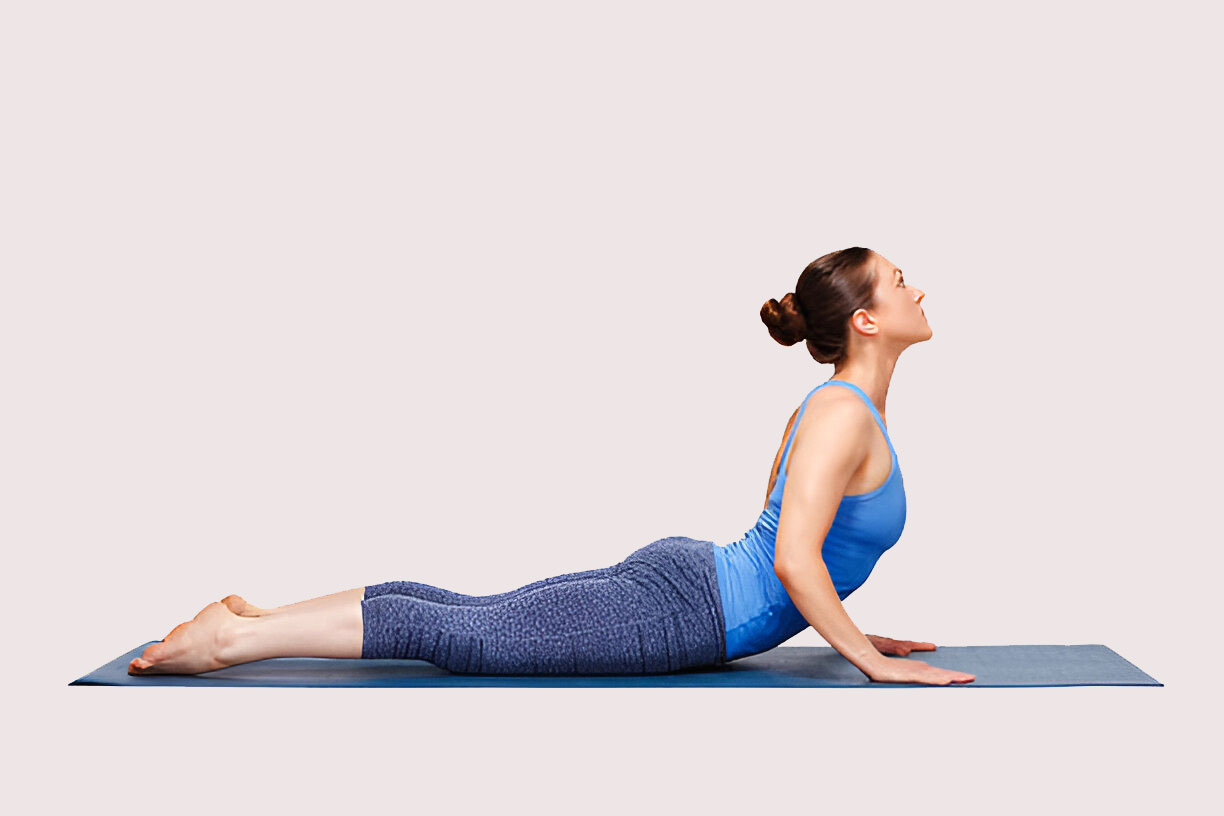
7. Bhujangasana (Cobra Pose)
Bhujangasana is a gentle backbend that opens the chest and stretches the spine.
How to Perform:
- Inhale as you slide your body forward, lifting your chest while keeping your elbows bent.
- Press your palms into the mat and gently arch your back, gazing upward.
Benefits:
- Improves spinal flexibility and strength.
- Opens the chest and lungs, aiding in better respiration.
- Stimulates the abdominal organs, promoting better digestion.
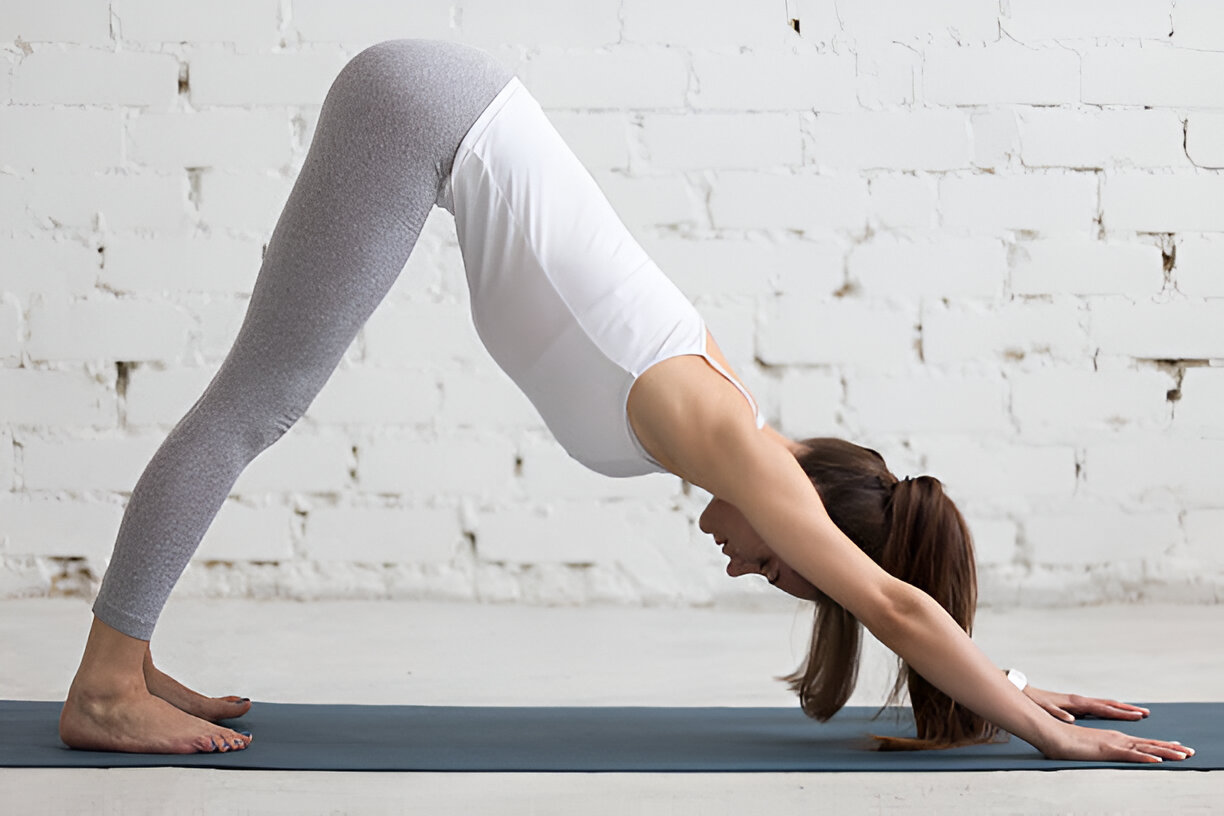
8. Adho Mukha Svanasana (Downward Facing Dog Pose)
Adho Mukha Svanasana involves lifting the hips upward to form an inverted “V” shape, with the head between the arms.
How to Perform:
- Exhale and lift your hips toward the ceiling, forming an inverted “V.”
- Keep your hands and feet grounded, and try to bring your heels toward the mat.
Benefits:
- Stretches the hamstrings, calves, and spine.
- Strengthens the arms, shoulders, and legs.
- Relieves tension in the back and energizes the body.
9. Ashwa Sanchalanasana (Equestrian Pose, Repeated on the Opposite Side)
The sequence repeats Ashwa Sanchalanasana, this time with the opposite leg stepping forward.
How to Perform:
- Inhale and step your right foot forward between your hands, lowering your left knee.
- Open your chest and look forward, just as you did earlier in the sequence.
Benefits:
- Balances both sides of the body by repeating the pose with the opposite leg.
- Improves coordination and body awareness.
- Continues to stretch the hip flexors and quadriceps.
10. Padahastasana (Standing Forward Bend Pose, Repeated)
The practitioner moves back into Padahastasana, bending forward at the hips.
How to Perform:
- Exhale and bring your left foot forward to meet the right, folding into a forward bend.
- Keep your spine long as you reach toward the floor.
Benefits:
- Maintains flexibility in the spine and hamstrings.
- Promotes mental relaxation and focus.
- Enhances blood circulation and energizes the body.
11. Hasta Uttanasana (Raised Arms Pose, Repeated)
The sequence transitions back into Hasta Uttanasana, with the practitioner stretching upward.
How to Perform:
- Inhale and raise your arms overhead, gently arching your back.
- Engage your core and lift your chest as you stretch upward.
Benefits:
- Continues to stretch and lengthen the spine.
- Opens the chest and improves lung capacity.
- Promotes a sense of vitality and well-being.
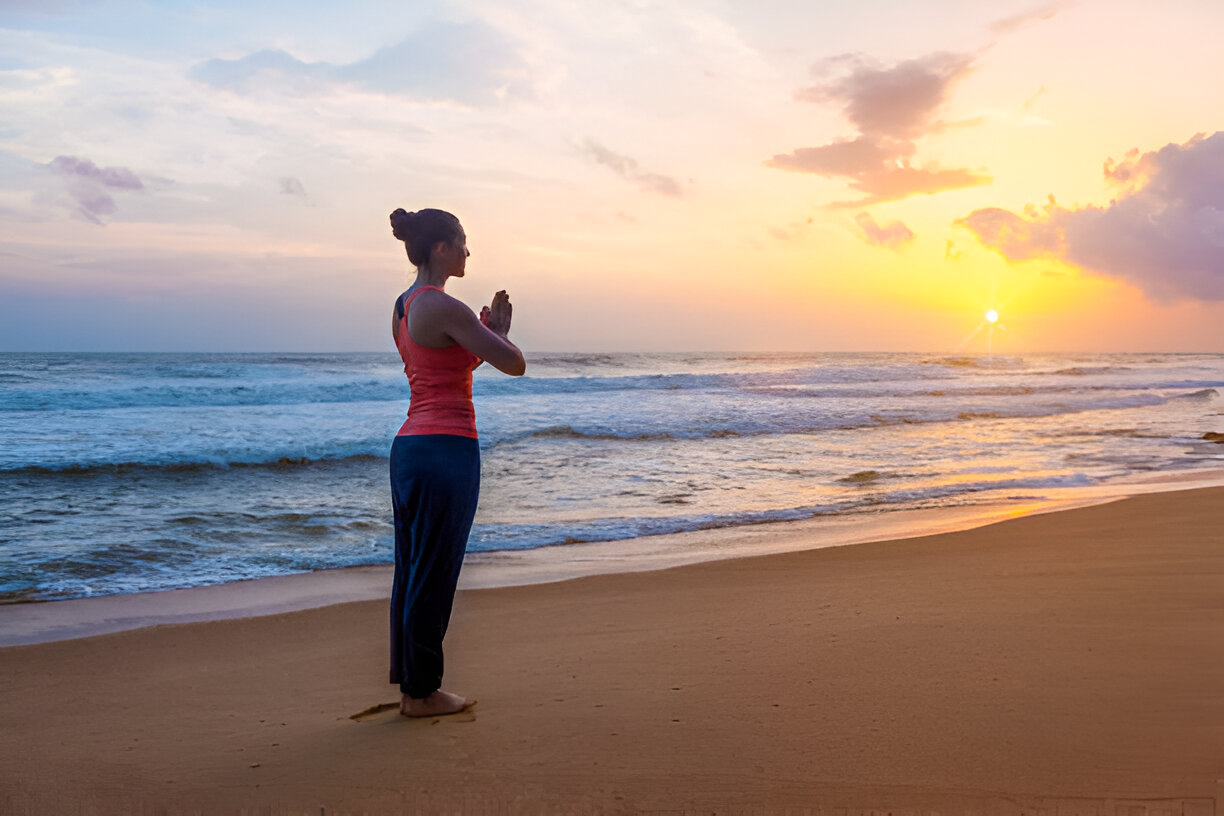
12. Pranamasana (Prayer Pose, Repeated)
The sequence concludes with Pranamasana, bringing the practitioner back to a centered and peaceful state.
How to Perform:
- Exhale and bring your palms together in front of your chest in a prayer position.
- Stand tall and focus on your breath, reflecting on the practice.
Benefits:
- Encourages mindfulness and inner calm.
- Brings the practice full circle, connecting movement with intention.
- Promotes a sense of gratitude and balance.
The Benefits of Surya Namaskar: A Holistic Approach
Surya Namaskar offers a wide range of physical, mental, and spiritual benefits. Here are some of the key advantages of incorporating this powerful practice into your daily routine:
1. Full-Body Workout
Surya Namaskar engages every major muscle group, providing a comprehensive workout that improves strength, flexibility, and endurance. The dynamic flow of poses tones the entire body, making it an excellent practice for overall fitness.
2. Improved Cardiovascular Health
The continuous flow of movements in Surya Namaskar elevates the heart rate, making it an effective cardiovascular exercise. Practicing multiple rounds can improve circulation, enhance stamina, and support heart health.
3. Enhanced Flexibility
The sequence includes forward bends, backbends, and stretches that gradually improve flexibility in the spine, hips, hamstrings, and shoulders. Over time, this increased flexibility leads to better posture and reduced risk of injury.
4. Stress Relief and Mental Clarity
Surya Namaskar combines mindful breathing with movement, promoting a sense of calm and relaxation. The focus required during the practice helps quiet the mind, reduce stress, and enhance mental clarity.
5. Weight Management
When practiced at a faster pace, Surya Namaskar becomes a high-intensity workout that burns calories and aids in weight management. Regular practice helps tone muscles, improve metabolism, and support healthy body weight.
6. Improved Digestion and Detoxification
The series of forward bends, twists, and stretches stimulate the digestive organs, promoting better digestion and metabolism. The practice also encourages detoxification by stimulating blood flow and lymphatic drainage.
7. Balanced Energy and Vitality
Surya Namaskar is traditionally practiced in the morning to align the body with the sun’s energy. It activates the body’s energy centers, promoting vitality, and preparing the mind and body for the day ahead.
8. Spiritual Growth and Inner Peace
Beyond the physical benefits, Surya Namaskar offers spiritual growth and inner peace. The practice connects the practitioner with the rhythms of nature and fosters a sense of unity between the body, mind, and spirit. The meditative flow of movements enhances mindfulness and cultivates a deeper connection with the self.
Integrating Surya Namaskar into Your Daily Routine
Incorporating Surya Namaskar into your daily routine is simple and highly rewarding. Here are some tips to get started:
- Start Slowly: If you’re new to yoga or Surya Namaskar, start with just a few rounds and gradually increase the number as your stamina improves.
- Focus on Alignment: Proper alignment is key to reaping the full benefits of each pose. Practice with mindfulness and pay attention to your body’s limits.
- Breathe Mindfully: Synchronize your breath with each movement. Inhaling and exhaling at the right times enhances the flow of energy and keeps you grounded in the practice.
- Consistency is Key: Regular practice is essential for long-term benefits. Even if you have just 10 minutes a day, a few rounds of Surya Namaskar can make a big difference.
- Practice with Intention: Set an intention before beginning your practice. Whether it’s cultivating gratitude, seeking inner peace, or boosting energy, approaching your practice with a focused mind enhances the experience.
Conclusion
Surya Namaskar is much more than a sequence of yoga postures—it is a practice that harmonizes the body, mind, and spirit. Each of the 12 poses in the sequence offers unique benefits, from enhancing physical strength and flexibility to promoting mental clarity and spiritual growth. By integrating Surya Namaskar into your daily routine, you can experience a transformative journey that leads to better health, balance, and a deeper connection with your inner self. Whether you’re a seasoned yogi or a beginner, this timeless practice is a powerful tool for cultivating overall well-being and living in harmony with the world around you.
By embracing the wisdom of Surya Namaskar, you embark on a path that not only honors the sun but also illuminates your own inner light.
