
Ardha Halasana, commonly known as the Half Plough Pose, is a beginner-friendly yoga posture. It serves as a preparatory step for achieving mastery in Halasana (Plough Pose). This posture offers a wide range of physical and mental benefits, making it an essential part of yoga practice. Below, you’ll find detailed insights into the pose, its methodology, benefits, contraindications, and more.
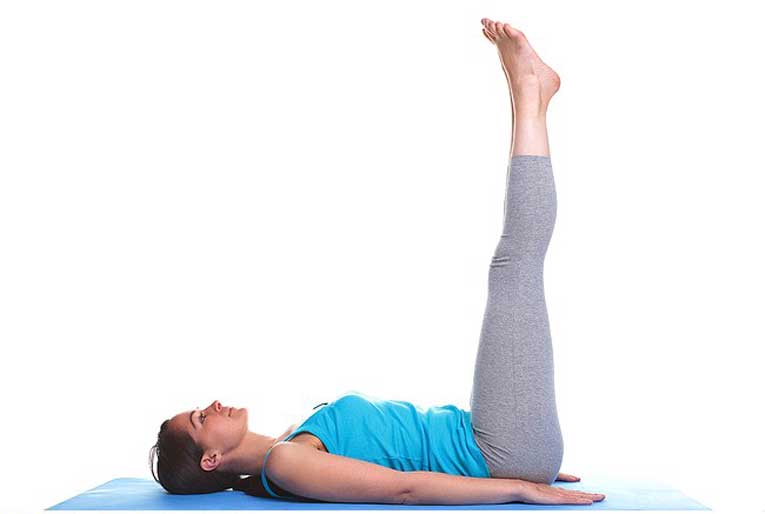
Understanding Ardha Halasana
Nomenclature and Meaning
The term “Ardha Halasana” derives from Sanskrit:
- Ardha – Half
- Hala – Plough (a traditional Indian farming tool)
- Asana – Posture
When performed, the practitioner’s body mimics the shape of a half plough, symbolizing groundedness and preparation for deeper practice, such as the full Halasana. This posture is excellent for strengthening the core, improving digestion, and enhancing flexibility.
Preparation for Ardha Halasana
Before delving into the pose, a calm, distraction-free environment is essential. The practice should ideally be performed:
- Early in the morning on an empty stomach or after 4-6 hours of fasting.
- On a firm yoga mat or a soft surface to avoid strain on the spine.
Preparatory Poses
To ease into Ardha Halasana, practice the following:
- Shavasana (Corpse Pose): Relax the body and align the breath.
- Tadasana (Mountain Pose): Improve posture and engage the core.
- Pawanmuktasana (Wind-Relieving Pose): Release tension in the lower back and abdomen.
- Paschimottanasana (Seated Forward Bend): Stretch the hamstrings and prepare the hips.
Step-by-Step Guide to Ardha Halasana
Stage 1: Initial Preparation
- Lie Down on the Back: Begin by lying on the mat in Shavasana with arms resting beside the body.
- Align the Body:
- Legs stretched out with heels and toes together.
- Palms facing downward and aligned with the hips.
- Neck relaxed, chin slightly tucked in.
- Relaxation: Spend 60 seconds breathing deeply, focusing on relaxing the entire body.
Stage 2: One-Leg Ardha Halasana
This stage is ideal for beginners to build strength and flexibility.
- Inhale and Raise the Right Leg:
- Slowly lift the right leg to a comfortable height without bending the knee.
- Engage the abdominal muscles and keep the left leg firmly grounded.
- Hold the Position:
- Maintain the raised leg position while holding your breath for 5 seconds (or as comfortable).
- Keep the gaze fixed on the toes of the raised leg.
- Lower the Right Leg:
- Exhale slowly while lowering the right leg back to the mat in a controlled motion. Avoid sudden movements.
- Repeat on the Left Leg: Perform the same steps with the left leg.
- Complete 3 Cycles: Alternate between the legs for a total of three cycles.
Stage 3: Two-Leg Ardha Halasana
Once comfortable with single-leg practice, transition to raising both legs.
- Inhale and Lift Both Legs:
- While pressing the palms firmly against the mat, lift both legs simultaneously to a 30-degree angle.
- Gradually increase the angle to 90 degrees, forming a perpendicular line with the floor.
- Align the Body:
- Keep the knees straight and avoid lifting the lower back or head.
- Ensure the shoulders, neck, and arms remain grounded and relaxed.
- Hold the Pose:
- Focus on breathing naturally and engaging the core muscles.
- Maintain the position for 5–10 breaths (or longer, as comfortable).
- Exhale and Lower the Legs:
- Slowly lower the legs back to the floor, pausing briefly at 60 degrees and 30 degrees before fully resting them.
- Repeat 3 Times: Perform three rounds of the full posture.
Key Points to Remember
- Avoid jerky movements while raising or lowering the legs.
- Maintain steady breathing and avoid holding the breath for too long unless instructed.
- Do not tense the neck, shoulders, or facial muscles during the practice.
Benefits of Ardha Halasana
Physical Benefits
- Core Strengthening:
- Engages abdominal muscles, improving tone and flexibility.
- Helps reduce excess fat around the abdomen, thighs, and hips.
- Improved Digestion:
- Stimulates the digestive organs, relieving constipation and flatulence.
- Promotes peristalsis for regular bowel movements.
- Spinal Health:
- Strengthens the lower back, reducing stiffness and discomfort.
- Helps in alleviating varicose veins and spinal nerve issues.
- Reproductive Health:
- Strengthens pelvic muscles and supports uterine health.
- Alleviates menstrual disorders and provides relief during menopause.
- Posture Correction:
- Enhances alignment of the lower back and hips.
- Prevents hunchbacks caused by poor sitting or standing habits.
Mental and Emotional Benefits
- Calms the Mind:
- The posture’s focus on controlled breathing reduces stress and anxiety.
- Improves Concentration:
- Encourages body awareness and mindfulness.
- Relieves Fatigue:
- A gentle yet effective way to energize the body and mind.
Therapeutic Benefits
- Alleviates lower back pain and uterine prolapse.
- Enhances blood circulation, particularly to the abdominal organs.
- Supports recovery from mild hernia and rectum ailments.

Ardha Halasana Contraindications
Like all yoga poses, Ardha Halasana may not be suitable for everyone. Consider the following precautions:
General Contraindications
- Recent Surgeries:
- Avoid the pose after abdominal surgeries to prevent strain or injury.
- High Blood Pressure:
- Raising the legs increases abdominal pressure, which can exacerbate hypertension.
Physical Limitations
- Severe Back Pain:
- Individuals with chronic lower back issues should consult a doctor or yoga instructor before practicing.
- Pregnancy:
- Avoid during pregnancy due to pressure on the abdomen and pelvis.
- Weak Core Strength:
- Beginners can start with modifications to avoid overexertion.
Anatomy of Ardha Halasana
Muscle Engagement
Ardha Halasana strengthens and stretches multiple muscle groups:
- Core Muscles (Abs): Tightens and tones the abdominal region.
- Lower Back Muscles: Enhances flexibility and reduces stiffness.
- Hamstrings and Quadriceps: Improves leg strength and balance.
- Pelvic Muscles: Builds elasticity and support.
Modifications and Props
Beginner Modifications
- Wall Support: Use a wall to raise the legs if balance is a challenge.
- One-Leg Variation: Practice raising one leg at a time until core strength improves.
Props for Comfort
- Blanket or Cushion: Place under the lower back for additional support.
- Strap or Belt: Use around the feet for better alignment and control.
Advanced Variations
Once mastered, Ardha Halasana can be combined with other poses:
- Halasana (Plough Pose): Progress to the full pose for deeper stretching.
- Sarvangasana (Shoulder Stand): Incorporate for an inversion sequence.
Common Mistakes and How to Avoid Them
- Tensing the Neck:
Keep the neck relaxed and aligned with the spine. - Jerking the Legs:
Perform all movements slowly and with control. - Holding Breath Too Long:
Maintain rhythmic, natural breathing throughout.
Ardha Halasana in Yoga Sequences
Commonly Included In:
- Iyengar Yoga: Focuses on alignment and therapeutic benefits.
- Power Yoga: Enhances core strength and flexibility.
- Kids and Teens Yoga: Improves balance and concentration.
- Core Yoga: Builds a strong foundation for advanced poses.
Benefits by System
Digestive System
- Promotes efficient digestion and bowel movements.
Respiratory System
- Enhances lung capacity and diaphragm function through focused breathing.
Circulatory System
- Improves blood flow to the abdominal region, supporting detoxification.
Reproductive System
- Strengthens pelvic muscles and alleviates menstrual discomfort.
Tips for Effective Practice
- Practice on an empty stomach.
- Warm up with preparatory poses to avoid muscle strain.
- End the session with Shavasana to relax and restore.
Ardha Halasana, though seemingly simple, holds immense potential for improving physical, mental, and emotional health. With regular practice and mindful execution, this foundational pose can prepare practitioners for more advanced yoga sequences while delivering therapeutic benefits. Whether you’re a beginner or a seasoned yogi, incorporating Ardha Halasana into your routine can transform your overall well-being.

1 comment
Pl guide whether Glaucoma patient practise Ardha Halasana